5 Exotic Cars That Depreciated the Least in 2025
BY FALCON CAR RENTAL
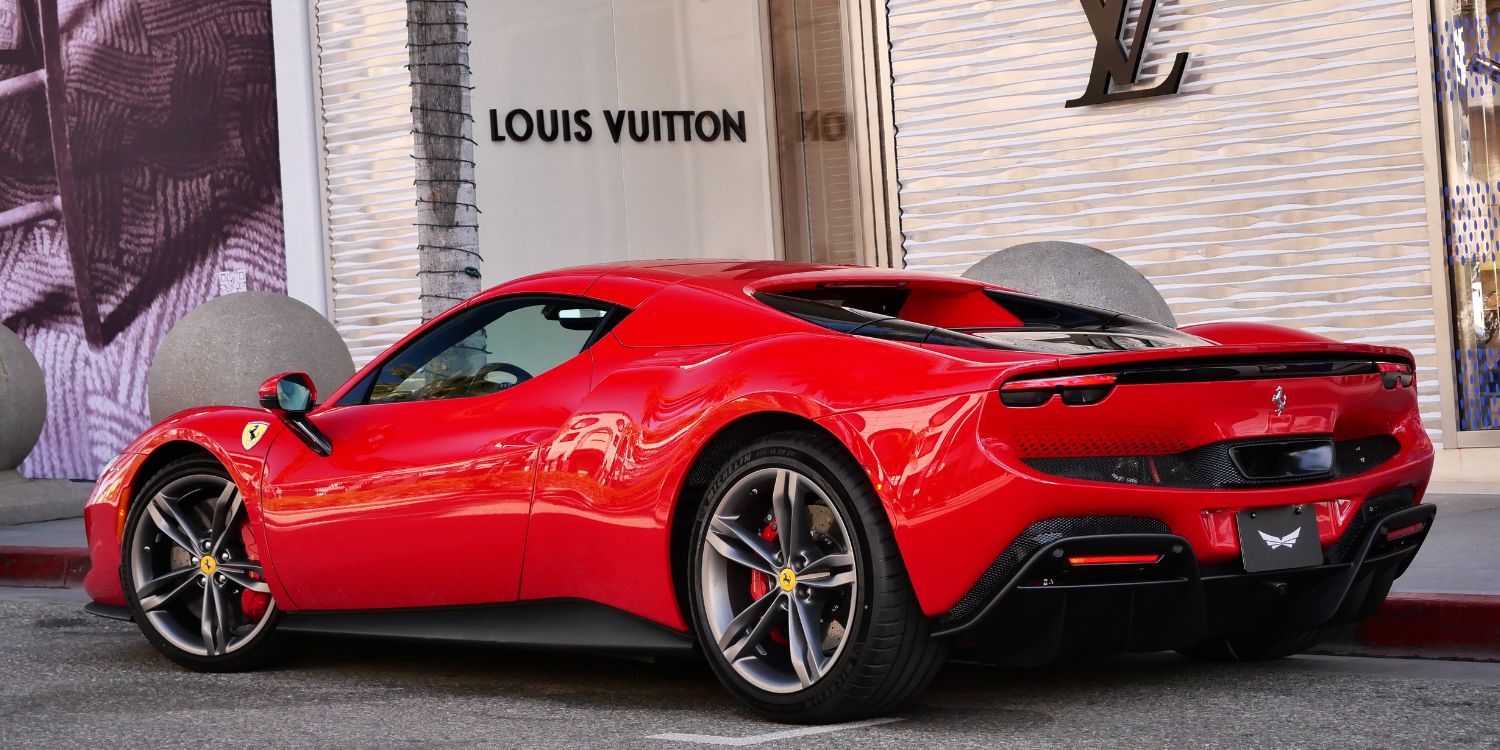
In the upper tier of the automotive world, luxury isn’t only about speed, stitching, or the badge on the hood. It’s about staying power—whether a car still feels desirable when the “new car” excitement wears off.
Most high-end vehicles take a noticeable hit in the first few years. But a small group behaves differently. They hold attention, hold demand, and—importantly—hold value.
Based on resale patterns across global luxury markets in 2025, the five exotics below posted the lowest depreciation after three years within their respective segments. Each one represents something the market doesn’t want to lose: the end of an engine era, the start of a new technology chapter, or a design that simply doesn’t date.
These aren’t just cars. They’re experiences the market keeps pricing like assets.
Ferrari Roma — 1.8%
The Ferrari Roma is proof that you don’t need to shout to be unforgettable. It has the proportions of a classic front-engine Ferrari grand tourer, but the design language is clean, modern, and quietly confident.
That’s a big part of why it depreciates so little. It appeals to a wider range of buyers than most Ferraris—collectors, luxury GT clients, and even first-time Ferrari owners who want something refined rather than extreme. When a car fits more lifestyles, demand stays stronger for longer.
Why it holds value
Timeless GT design that won’t feel “dated” quickly
Broad appeal beyond hardcore enthusiasts
Elegant, modern proportions that age well
Strong positioning as a future classic
Lamborghini Huracán — 3.0%
The Huracán is becoming more than a model—it’s becoming a last chance.
As the industry moves toward electrification, naturally aspirated engines are disappearing fast. The Huracán’s V10 experience is exactly what many people fear they won’t be able to buy new again. That emotional reality matters in resale markets.
It’s also why, even for people who don’t want to own long-term, the Huracán stays high on the wish list. When clients rent a supercar in Los Angeles, they often want something instantly recognizable and undeniably “real”—and the Huracán delivers that in a way very few cars can.
Why it holds value
One of the final pure V10 Lamborghini experiences
Strong enthusiast and collector demand
Iconic wedge silhouette with long design life
Mechanical “purity” that’s getting rarer every year
Ferrari 296 GTB — 9.6%
Hybrid performance cars can be a gamble in the luxury world—buyers sometimes hesitate when a brand changes direction. The 296 GTB avoided that problem by arriving as a true leap forward, not a compromise.
It’s fast, sharp, and genuinely important. Ferrari’s V6 hybrid architecture isn’t a side story—it’s a major shift in the brand’s future. And markets tend to reward cars that represent a clear “beginning of an era.”
Why it holds value
A landmark model in Ferrari’s hybrid performance evolution
Historic engineering transition for the brand
Serious, credible performance that silences doubts
Early “milestone” status supports long-term desirability
Ferrari 812 Superfast — 13.6%
The 812 Superfast is the kind of car collectors talk about in one sentence: “They’re not making them like this anymore.”
Naturally aspirated, front-engine Ferrari V12s are a disappearing category. And finality is powerful—when buyers believe an experience won’t return, they value it differently. That’s why the 812’s depreciation stays surprisingly controlled for a flagship exotic with a smaller buyer pool.
Why it holds value
A defining chapter in Ferrari’s front-engine V12 history
“Last of its kind” status that grows more valuable over time
Peak grand-touring identity with an unrepeatable powertrain
Strong collector recognition already forming
Lamborghini Urus — 16.7%
The Urus did something rare: it expanded Lamborghini’s world without diluting the brand.
It created a daily-usable Lamborghini—an SUV with real presence, real performance, and global demand. Luxury SUVs usually depreciate faster because they’re produced in higher numbers, but the Urus has stayed resilient because demand remains consistent across markets.
It also fits how people actually travel now. Not every luxury experience is a short city drive—sometimes it’s a weekend escape. It’s not unusual to see clients hire a Lamborghini for a road trip, because the vehicle becomes part of the destination: the sound, the comfort, the attention, the vibe.
Why it holds value
Lamborghini status with everyday usability
Distinct design presence that feels premium instantly
Strong international buyer pool
Consistent demand in the luxury performance SUV category
What these least-depreciating luxury cars have in common
Even though they sit in different categories, they share the same value foundations:
They mark history (first-of-era or last-of-era)
They look like they belong forever (design longevity)
They deliver something future models may not (mechanical authenticity)
They carry global brand mythology (prestige that travels)
They feel irreplaceable (emotional scarcity)
At this level, depreciation resistance isn’t created by a spec sheet. It’s created when engineering, timing, and cultural relevance align.
The luxury meaning of value
Depreciation is often treated like a financial concept. But in the world of top-tier exotics, it’s also a cultural one. It tells you whether a car still matters after the first wave of attention passes.
That’s also why access models are growing. Not everyone wants to buy and store an exotic—but many still want the experience on demand. Whether someone owns a collector Ferrari privately or chooses an exotic car rental in Santa Monica for a coastal weekend, the same truth applies: the cars that feel timeless stay desirable.
And the cars that stay desirable… stay valuable.
These five aren’t simply the vehicles that lost the least value in 2025.
They’re the vehicles the market quietly agreed will matter for years.