Has Screen-First Design Made Modern Interiors Less Elegant?
BY FALCON CAR RENTAL
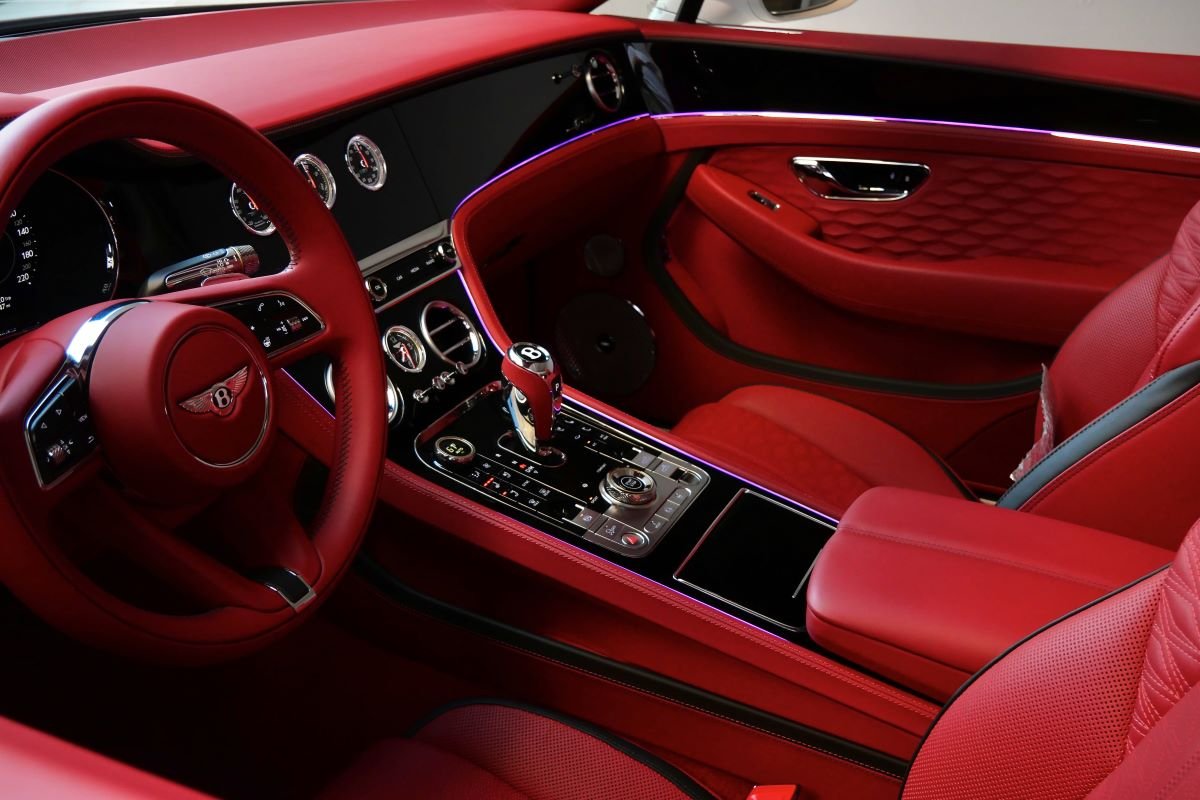
Luxury has never been defined by technology alone. For decades, the most admired automotive interiors were remembered for the way they felt: hand-finished leather, cold metal switchgear, open-pore wood, and the satisfying precision of a beautifully engineered control. That philosophy still matters because craftsmanship ages differently from software. Bentley, for example, still presents its Rotating Display as a way to combine a modern touchscreen with analogue dials and veneer, rather than forcing the cabin to be screen-only.
That is why the shift toward screen-first interiors feels so consequential. In many new luxury cars, the dashboard is now dominated by glass. Physical controls are reduced, climate functions are moved into menus, and what used to feel tactile now feels digital. This is not just a styling trend. Euro NCAP’s 2026 protocol changes explicitly introduced new human-machine-interface assessments, including the availability of physical buttons for commonly used functions, because consumer feedback suggested those controls can reduce distraction. In other words, even safety assessors are now acknowledging what many drivers already feel: not everything improves when it moves to a screen.
When Luxury Meant Craftsmanship First
Not long ago, luxury interiors followed a very different logic. The goal was not to impress you with display size. The goal was to make the cabin feel resolved, beautiful, and calm. Materials carried the experience. The layout had rhythm. Controls had weight and character. A dashboard was not simply a place to house features. It was part of the identity of the car. Bentley still leans into that idea today, publicly framing its interior technology as something that should sit alongside craftsmanship, not erase it.
That older philosophy is one reason so many classic luxury cabins still feel desirable. Technology may age quickly, but quality materials and strong design tend to keep their appeal. That is not nostalgia. It is one of the core truths of luxury. A polished metal control can still feel expensive ten years later. A screen interface that once looked advanced can feel old very quickly. This is exactly why craftsmanship remains such a durable luxury asset. Bentley’s continued use of analogue elements inside a digital architecture is essentially an admission that elegance still depends on more than software.
The Screen Changed the Mood of the Cabin
The rise of smartphones changed what consumers expected from a car. Large displays made navigation better, smartphone integration easier, software updates more useful, and cabin personalization more intuitive. Tesla accelerated that shift by proving that many buyers were willing to accept an interior organized almost entirely around a screen. From there, the rest of the industry followed. What was once radical quickly became standard.
But modern and elegant are not always the same thing. A screen-heavy dashboard can look clean in photos while feeling cold in real life. That is where many brands get into trouble. Minimalism on its own is not luxury. Removing buttons does not automatically create sophistication. In some interiors, digital integration feels thoughtful. In others, it feels like physical character has been replaced by software because software is easier to update and cheaper to consolidate. Euro NCAP’s emphasis on ease of use and essential-control placement underlines that usability cannot simply be assumed because a dashboard looks futuristic.
What Screens Still Cannot Replace
Screens are good at flexibility. They are not as good at emotional texture. A precisely milled dial, a weighted switch, or a beautifully finished toggle gives a car personality in a way a generic touch interface rarely can. Physical controls let the hand learn the cabin. They reduce the need to hunt visually. And they give brands more opportunity to express identity through materials, movement, and detail. Euro NCAP’s latest approach suggests that regulators and safety bodies are beginning to recognize those practical advantages too, not just enthusiasts.
This matters because luxury is sensory. It is not just about what the driver sees. It is about what the driver touches, hears, and remembers. A touchscreen can be efficient, but it often flattens individuality. Many digital interfaces begin to look interchangeable across brands. That is one reason some of the most compelling modern interiors are not the ones with the largest screens, but the ones that use digital tools without sacrificing tactile richness. Bentley’s Rotating Display is such a strong example precisely because it acknowledges that a cabin should not always have to look like a device.
The Best Brands Are Finding a Middle Ground
The strongest luxury interiors today are not anti-technology. They are anti-clumsiness. Aston Martin, for example, has moved toward more modern digital integration while still keeping a strong sense of driver focus, physicality, and occasion. Its official materials still emphasize ergonomics and surrounding the driver with controls and design that reinforce a sports-car feel, not just a screen-led one. That is the right direction: contemporary without becoming generic.
Bentley has found a similarly intelligent balance. Rather than pretending screens do not matter, it gives the driver a choice between touchscreen, analogue dials, and veneer, and that choice itself says something important about modern luxury. The message is clear: technology should serve the experience, not dominate it. That is part of why a Bentley rental in Los Angeles still feels special in a way that goes beyond connectivity or interface design. The appeal comes from atmosphere, craftsmanship, and the sense that the cabin was designed to age gracefully as well as impress immediately.
Ferrari offers another useful contrast. Buyers may choose to rent a Ferrari in Los Angeles for the sound, the performance, or the occasion, but Ferrari interiors still matter because they remain centered on the act of driving. Even as digital elements increase, the cabin is still expected to feel purposeful and emotionally charged rather than simply screen-led. That is an important reminder that technology can support drama and identity without swallowing them.
And for many travelers who want to hire a luxury car near LAX, that distinction matters more than brands sometimes realize. What leaves the deepest impression is rarely just the display size. It is the total environment: the materials, the seat design, the calm of the cabin at night, the way the controls feel in the hand, and whether the space still feels luxurious once the novelty of the interface wears off. That is where elegance either survives or disappears.
So, Have Screens Made Interiors Less Elegant?
In many cases, yes. Not because screens are bad, but because too many brands treated them as a substitute for elegance rather than a tool within it. When screens replace tactility, warmth, and thoughtful materiality, the cabin can start to feel less like a luxury space and more like consumer electronics on wheels. The result may look current, but it often feels less distinctive and less emotionally satisfying over time. Euro NCAP’s 2026 HMI changes suggest the industry is already being nudged back toward a more balanced approach.
The real future of luxury interiors will almost certainly include more technology, not less. But the best luxury brands will make that technology quieter, smarter, and more invisible. The next truly elegant cabins will not be the ones with the biggest screens. They will be the ones that integrate digital capability without losing texture, tactility, or soul. Bentley’s rotating solution and Aston Martin’s driver-focused ergonomics both point in that direction.
Because screens can capture attention.
But craftsmanship is what keeps it.