The Rise of Coastal Road Trips: California’s New Favorite Travel Trend
BY FALCON CAR RENTAL
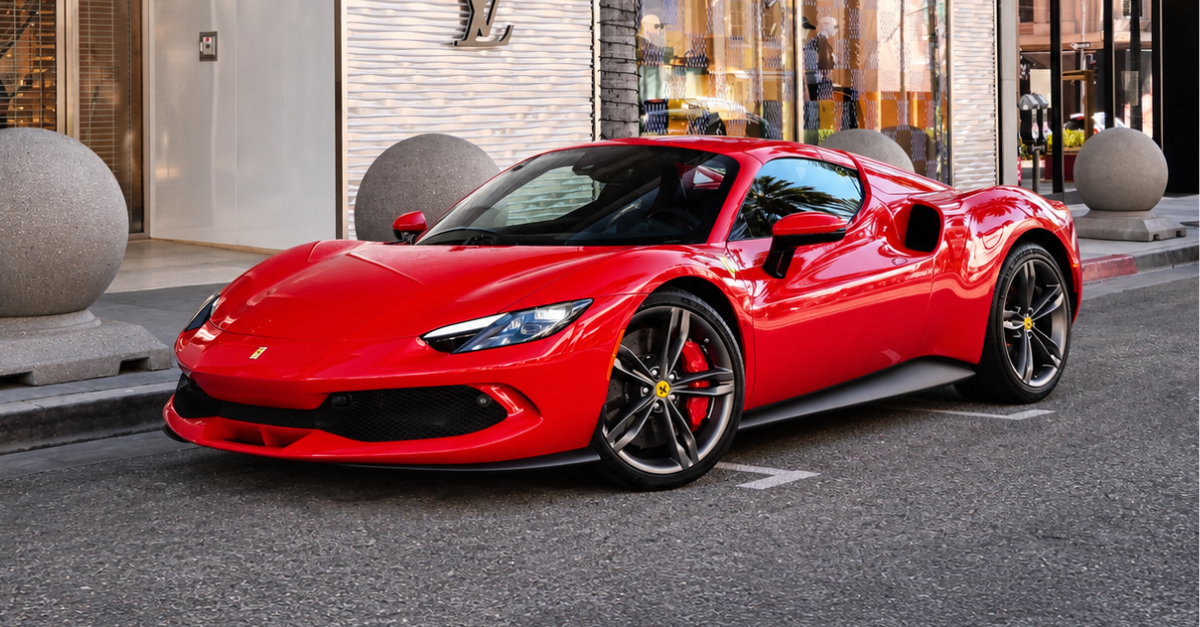
California has always been made for the open road.
Few destinations offer the same mix of ocean views, year-round sunshine, great hotels, memorable restaurants, and roads that make the journey feel just as important as the destination. From Santa Monica and Malibu to Santa Barbara, Monterey, and Carmel, a California coastal road trip gives travelers something increasingly valuable: the freedom to move at their own pace.
That is part of why road trips are having such a strong moment again.
Luxury travel is becoming less about staying in one place and more about creating a sequence of experiences. A great hotel still matters. So does the dinner reservation. But increasingly, the drive between them matters too.
A coastal road trip lets you stop when the view is right, change plans because a town looks interesting, stay longer somewhere unexpected, or simply keep driving because the road is too good to leave.
In California, that freedom can become one of the best parts of the trip.
Why California Coastal Road Trips Feel Different
A traditional vacation is usually built around destinations.
A road trip is built around movement.
That changes the entire experience. Instead of treating the hours between hotels as lost time, the road becomes part of the itinerary. Ocean overlooks, beach towns, canyon routes, roadside stops, and spontaneous detours all become part of the memory.
California is particularly well suited to this kind of travel because the scenery changes constantly. A morning can begin in Santa Monica surrounded by hotels, restaurants, and urban energy. Less than an hour later, you can be passing beaches and cliffs in Malibu. Continue north and the pace begins to change again, with Santa Barbara, the Central Coast, Monterey, and Carmel each offering a very different version of coastal California.
The best trips do not try to see everything.
They leave enough room for something unplanned to happen.
Why a One-Way Coastal Drive Often Makes More Sense
One of the easiest ways to improve a California road trip is to avoid retracing the entire route.
A one-way itinerary lets the journey keep moving forward. Instead of driving from Los Angeles to Santa Barbara and then turning around, you can continue north. Instead of rushing through destinations because the return drive is waiting, you can spend more time enjoying each stop.
That becomes especially important when the vehicle itself is part of the experience.
Travelers who hire a convertible supercar for a road-trip should think about the full itinerary before choosing the car. A two-night Malibu escape and a multi-day drive toward Monterey require very different amounts of luggage, comfort, and flexibility.
A one-way road trip works best when it feels relaxed rather than ambitious.
Three great stops enjoyed properly are usually better than six destinations rushed through just to check them off a list.
Santa Monica: One of the Best Starting Points
Santa Monica is one of the most natural places to begin a coastal road trip from Los Angeles.
You have the beach, Ocean Avenue, strong hotel options, restaurants, and immediate access toward Malibu. It also works well for visitors who want to spend time in Beverly Hills, West Hollywood, or the rest of Los Angeles before heading north.
Starting here allows the trip to build gradually.
Spend the morning by the ocean, load the car without rushing, and head north once the day begins to settle. Within a short drive, the atmosphere changes as the city gives way to Malibu’s coastline.
For travelers arranging a exotic car rental in Santa Monica, the right vehicle should be chosen around the entire trip, not simply the first hour.
A convertible is hard to beat for a short coastal escape. A Porsche or grand tourer makes more sense when the route stretches several hundred miles. A luxury SUV may be the smarter choice if luggage, passengers, or longer stays matter more than open-air driving.
The best road-trip car is the one that works for the whole journey.
Malibu: Where the Drive Becomes Part of the Vacation
Malibu is where many visitors understand why driving matters so much in Southern California.
Pacific Coast Highway moves between the Pacific Ocean and the Santa Monica Mountains, creating one of the most recognizable driving environments in the state. Point Dume, Zuma Beach, Malibu Pier, and the surrounding coastline give you plenty of reasons to stop rather than simply pass through.
Timing makes a noticeable difference.
Early mornings generally mean lighter traffic and a calmer drive. Late afternoon brings the warm California light that makes the coastline especially beautiful, but it can also bring more congestion. On weekends, starting earlier is usually worth it.
Malibu is also a good reminder that scenic driving is not about chasing speed.
The setting is the experience.
A convertible makes the drive more immersive. A Porsche adds more driver involvement when the road becomes interesting. A Bentley or Aston Martin turns the same route into something closer to classic grand touring.
The best car should complement the coast, not compete with it.
Which Cars Work Best for a Coastal Road Trip?
There is no single perfect car for California’s coastline because not every coastal trip is the same.
For a short two-person getaway, a convertible Ferrari or Lamborghini can create an unforgettable experience. With the roof down and the ocean beside you, even a familiar stretch of road can feel completely different.
But exotic cars come with practical limitations.
Luggage space is limited, ride height can make certain driveways challenging, and a two-seat supercar may become less convenient on a longer itinerary involving several hotels and more luggage.
For a longer road trip, cars such as the Porsche 911, Aston Martin DB12, Bentley Continental GT, or Mercedes-AMG SL often make more sense. They still feel special, but they offer more comfort and flexibility over distance.
Luxury SUVs such as the Range Rover work especially well when family, passengers, or larger luggage loads are part of the trip.
The right vehicle is not necessarily the most exotic option available.
It is the one that makes the trip easier without making it feel ordinary.
Porsche 911: One of the Best All-Around Choices
Few sports cars make a stronger argument for a California coastal trip than the Porsche 911.
It offers the performance enthusiasts want without many of the compromises associated with mid-engine exotics. There is usable front luggage space, additional storage behind the front seats, excellent highway manners, and enough comfort to cover a serious distance without turning the trip into an endurance test.
That versatility is exactly what a coastal itinerary rewards.
Travelers who rent a Porsche in LAX can leave Los Angeles, settle into the car before reaching the coast, and continue toward Malibu, Santa Barbara, or farther north without planning every stop around the limitations of the vehicle.
A 911 Cabriolet adds the full open-air California experience.
A Targa offers something slightly more distinctive and refined.
Either way, the appeal is the same: the Porsche makes the road interesting without making the trip difficult.
Santa Barbara: The Ideal First Overnight Stop
For travelers continuing north, Santa Barbara is one of the easiest places to slow the pace.
Its oceanfront setting, Spanish-influenced architecture, hotels, and dining make it worthwhile as a destination rather than simply a stop between Los Angeles and the Central Coast.
That distinction matters.
A common mistake on road trips is trying to cover too much distance each day. The result is spending more time checking into hotels and watching the navigation screen than actually enjoying the places you came to see.
Santa Barbara works well because it creates a natural first overnight stop. You can leave Los Angeles without rushing, enjoy Malibu on the way, and still arrive with enough time to experience the city properly.
A good coastal itinerary gives each destination room to breathe.
Going Beyond Santa Barbara
The character of the trip begins to change as you continue toward San Luis Obispo, Morro Bay, Monterey, and Carmel.
The scenery becomes less urban, distances between major destinations increase, and road conditions become more important. Highway 1 is famous for its dramatic views, but coastal sections can experience temporary closures because of landslides, storms, construction, or emergency repairs.
That means route planning matters.
Always check current road conditions shortly before departure rather than assuming the entire highway is open because it appears continuous on a map. It is also smart to keep some flexibility in hotel timing and daily mileage in case an inland detour becomes necessary.
California road trips reward spontaneity.
They also reward preparation.
How Many Days Do You Need?
The answer depends on how far north you want to go.
For Santa Monica, Malibu, and Santa Barbara, two or three days can create a very relaxed experience.
For a route continuing toward San Luis Obispo, Monterey, Carmel, or San Francisco, four to seven days allows the trip to feel much less rushed.
What matters most is avoiding the temptation to judge the journey only by mileage.
A 200-mile coastal day can easily become a full day once you include lunch, scenic stops, photographs, traffic, and towns worth exploring.
Three hours of driving may turn into seven hours of travel.
That is exactly how a good road trip should work.
How Much Luggage Should You Bring?
Pack according to the car, not just the number of days.
Two people in a Porsche can manage a multi-day journey comfortably with thoughtful packing. Two travelers in a mid-engine Ferrari or Lamborghini will need to be much more disciplined.
Soft bags generally work better than large hard-shell suitcases in sports cars because they can adapt to irregular storage compartments.
If you are arriving in California with several checked bags, consider whether all of that luggage needs to accompany you on the road trip. A separate luggage transfer, hotel storage, or different vehicle for the airport portion of the itinerary can make the experience much smoother.
The goal is to enjoy the car.
Not spend every morning trying to repack it.
What Is the Best Time of Year?
Southern California supports coastal travel during much of the year, but each season creates a different experience.
Spring often brings comfortable temperatures and greener landscapes. Summer offers long days and classic convertible weather, but popular coastal destinations become busier. Early fall can be especially enjoyable because the weather often remains warm while some of the summer traffic begins to ease