Why Is Tesla Moving Away From the Model S and Model X?
BY FALCON CAR RENTAL
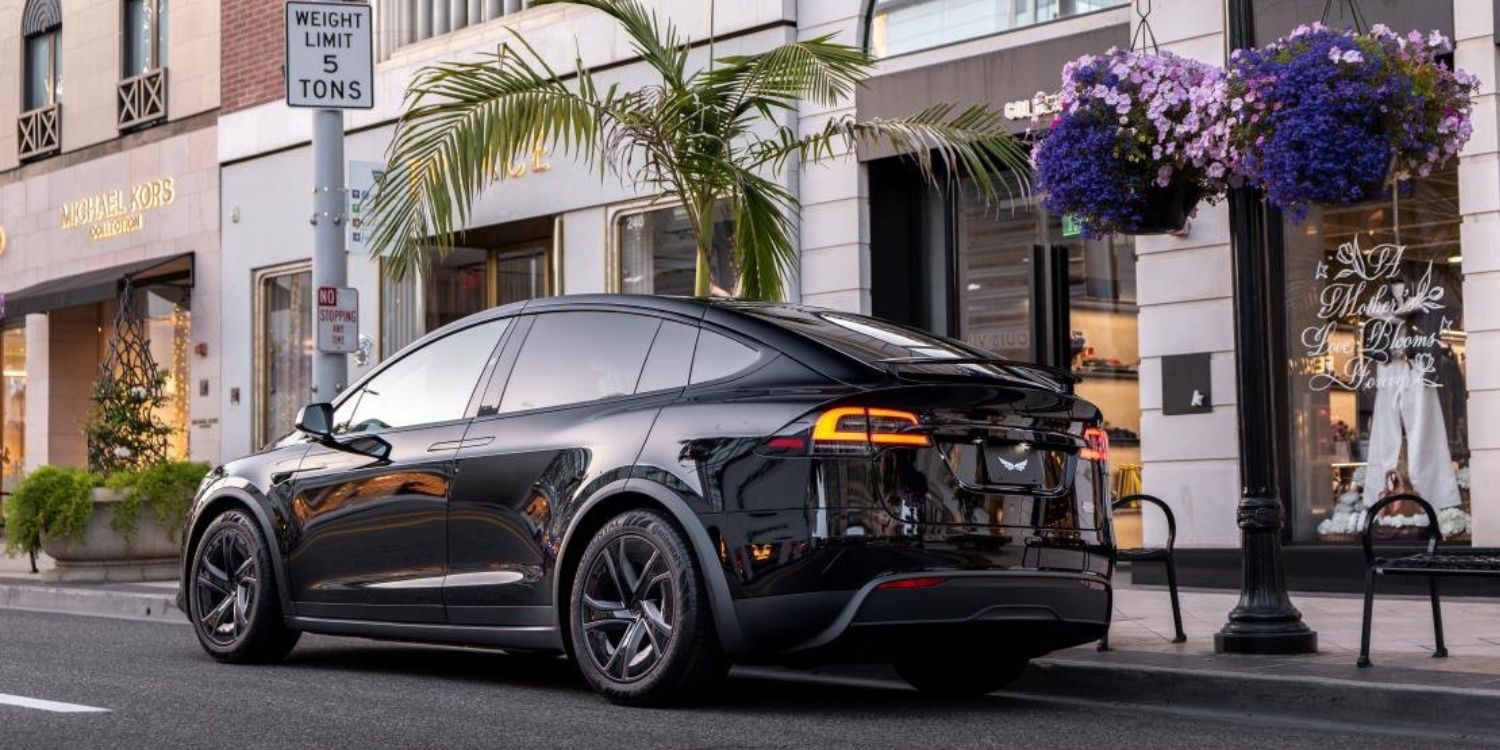
There was a time when the Tesla Model S and Model X felt like the future.
The Model S changed expectations for what an electric luxury sedan could be. The Model X brought a more radical kind of ambition, combining family utility with dramatic design and a software-first approach that made much of the luxury market look conservative by comparison. Together, those two vehicles helped turn Tesla from an ambitious EV startup into one of the most influential companies in the auto industry.
Now, however, the story around them is very different.
The key point is this: Tesla’s center of gravity has moved. Even if the Model S and Model X remain historically important, they no longer appear to be central to Tesla’s commercial or strategic future. Reuters reported in January 2026 that Tesla said it would stop selling the aging Model S and Model X in order to repurpose factory space for robot production.
That shift raises an obvious question: why would Tesla move away from the very vehicles that helped define the brand?
The Model S and Model X Did Exactly What They Were Supposed to Do
Before looking at why Tesla is moving on, it is worth remembering why these cars mattered so much in the first place.
The Model S helped prove that an EV could be fast, desirable, long-range, and technologically ambitious all at once. The Model X extended that idea into the SUV category with a more unconventional product that still made Tesla feel unlike any other carmaker. For years, these were Tesla’s flagship products and the clearest expression of its brand.
In other words, they were never just cars. They were proof that Tesla could force the industry to take electric vehicles seriously.
That is why their legacy is secure even if their role inside Tesla is shrinking.
Tesla Became a Volume Manufacturer
One of the clearest reasons the Model S and Model X now feel less important is that Tesla itself is no longer the same kind of company.
In its earlier phase, Tesla needed halo products. It needed vehicles that created excitement, built credibility, and pulled attention toward the brand. The Model S and Model X did that. But Tesla’s actual scale came later, through the Model 3 and Model Y, which reached a much broader audience and became the company’s real commercial foundation. Tesla’s own investor materials show vehicle deliveries measured in the millions, reflecting a business built around scale rather than a low-volume flagship strategy.
Once Tesla became a volume manufacturer, its priorities naturally changed. A company optimizing around global production, cost structure, and platform scale is going to focus more on the products that sell in far greater numbers.
That left the Model S and Model X in a difficult position. They still mattered symbolically, but far less financially.
Tesla’s Strategic Priorities Changed
The larger reason this shift matters is that Tesla is no longer asking investors to value it mainly as a car company.
Reuters reported in January 2026 that Tesla reaffirmed Cybercab production timing and planned more than $20 billion in capital expenditures to support AI, robots, Semi production, and other initiatives. Tesla’s own investor materials also now emphasize AI alongside electric vehicles and energy.
That context is important. If Tesla is putting increasing management attention, capital, and factory capacity toward robotics, autonomy, and AI infrastructure, then older low-volume flagship models become harder to justify. Reuters explicitly connected the Model S and Model X decision to repurposing factory space for robot production.
That does not make the S and X failures. It means Tesla believes its next growth story is somewhere else.
The Luxury EV Market Is No Longer Empty
When the Model S first arrived, Tesla had a large first-mover advantage in premium EVs. That advantage is not what it once was.
Today, the premium EV market includes strong alternatives from brands that bring more traditional luxury craftsmanship, fresher product cycles, and in some cases stronger perceived prestige in the high-end market. Reuters has repeatedly linked Tesla’s broader sales pressure to intensifying competition and an aging lineup.
That matters especially at the top of the market, where buyers are not just comparing range or acceleration. They are also comparing interiors, design freshness, ownership experience, ride quality, brand identity, and status.
Tesla still holds real strengths, especially in software and charging infrastructure. But the market that once felt wide open around the Model S and Model X is now crowded.
Product Age Finally Became a Real Issue
One of the reasons the Model S remained impressive for so long is that its design aged unusually well. The problem is that aging well is not the same as staying new.
Luxury buyers often want both familiarity and freshness. Tesla updated the Model S and Model X over time, but their basic design language and product identity remained recognizable for years. Reuters has specifically described Tesla’s product lineup as aging in coverage of the company’s recent sales pressures.
That creates a challenge in the premium market. Even a vehicle that still looks good can start to feel like it belongs to an earlier product era if rivals keep launching new platforms and new cabin concepts.
That is part of why the Model S and Model X no longer feel like Tesla’s future, even if they still reflect an important part of its past.
The Cybertruck Has Taken Over the Spotlight
If the Model S once symbolized Tesla’s ambition, the Cybertruck now appears to play that role in the public imagination.
Tesla’s current narrative is increasingly tied to products and projects that feel disruptive, visually distinctive, and forward-facing. The Cybertruck fits that perfectly. It has become one of Tesla’s most visible products and a much stronger symbol of where the company wants attention directed. Tesla’s official site continues to foreground its broader AI and vehicle ambitions, while Reuters has tied Tesla’s current strategic messaging to Cybercab, robotics, and AI-led growth.
That shift also shows up in consumer interest. A Tesla Cybertruck rental at LAX or the decision to hire a Cybertruck in Los Angeles reflects the way attention has migrated toward Tesla’s newest, most culturally visible vehicle. That is not just a product trend. It is a branding signal.
The Cybertruck feels like Tesla’s next chapter. The Model S and Model X increasingly feel like earlier chapters that have already done their work.
Changing Demand Hurt the Model S and Model X Differently
Tesla also ran into a broader industry reality: buyers increasingly prefer crossovers and SUVs, but not always the large, expensive kind.
The Model X should have benefited from the global shift toward SUVs, yet the Model Y became Tesla’s true volume winner because it delivered a more accessible version of what most buyers wanted. Tesla still offers the Model Y prominently on its current retail site, reinforcing where its mainstream demand sits.
That leaves the Model X in an awkward middle ground. It is more expensive and more niche, while the Model Y covers the needs of a much larger audience. The Model S faces a parallel issue on the sedan side, where premium sedans remain important but no longer dominate consumer demand the way they once did.
In both cases, the flagship became harder to defend as the mainstream product improved.
What Still Makes Them Special
None of this means the Model S and Model X stopped being remarkable vehicles.
The Model S Plaid still represents extraordinary EV performance. The Model X still combines speed, utility, and Tesla’s technology stack in a way that remains unusual. These cars continue to appeal to buyers who want Tesla at its most ambitious and least conventional. Tesla still lists both models in its new inventory, which suggests that even as their importance fades, they have not disappeared from the brand’s universe overnight.
That lingering appeal also explains why a luxury SUV rental in Beverly Hills can still include Tesla in the conversation. For some clients, the attraction is not traditional old-world luxury. It is the combination of software, acceleration, design simplicity, and the feeling of driving a vehicle that genuinely changed the market.
So the right way to think about the Model S and Model X is not as irrelevant. It is less central.
Final Thought
Tesla is moving away from the Model S and Model X because the company no longer needs them in the same way it once did.
They were the vehicles that gave Tesla credibility, visibility, and momentum. But Tesla’s business now revolves around scale products like the Model 3 and Model Y, while its strategic story revolves increasingly around AI, robotics, autonomy, and newer headline-grabbing products like the Cybertruck. Reuters’ January 2026 reporting makes that shift explicit by tying the end of S/X sales to repurposing factory space for robot production.
If Tesla ultimately leaves these models behind, it will not be because they failed.
It will be because they succeeded so completely that Tesla no longer has to build its future around them.