Why More Angelenos Are Renting, Not Buying Exotics in 2026
BY FALCON CAR RENTAL
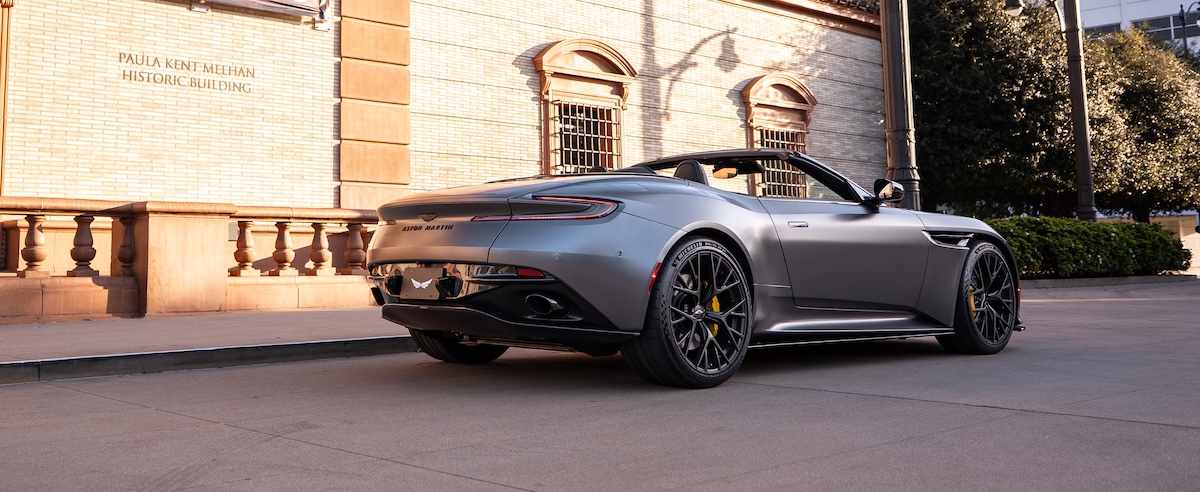
Los Angeles has never treated the automobile as mere transportation. Here, the right car can shape an entire day: a Rolls-Royce arriving at dinner in Beverly Hills, a Ferrari heading west toward Malibu, or a Lamborghini moving through the Hollywood Hills after dark. Exotic cars are woven into the city’s culture, reflecting its appreciation for design, performance, ambition, and spectacle.
What is changing in 2026 is not the desire for exceptional cars, but the way many people choose to experience them. Ownership still holds undeniable appeal, particularly for collectors and enthusiasts who want a permanent relationship with a specific model. Yet for a growing number of affluent residents, entrepreneurs, executives, and frequent visitors, renting offers a more flexible alternative.
The shift is not simply about affordability. Many exotic-car renters could purchase the vehicles they reserve, and some already own impressive collections. They rent because their needs change from one occasion to the next, because they want access to a wider variety of models, or because another permanent vehicle does not make practical sense. In a city built around movement and reinvention, access can sometimes feel more luxurious than possession.
The Real Cost of Ownership Goes Beyond the Purchase Price
The showroom price is only the beginning of exotic-car ownership. Insurance, registration, servicing, specialty tires, detailing, storage, and unexpected repairs can add substantially to the annual cost. Financing creates another expense, while depreciation depends heavily on the model, specification, mileage, and timing of resale.
That does not make ownership a poor decision. For someone who drives the car regularly, values having it available at any time, or intends to keep a rare model for years, buying may be entirely worthwhile. The calculation changes when the vehicle is driven only occasionally. A six-figure car that spends most of the month parked still carries its full financial and logistical burden throughout the year.
Renting turns that open-ended commitment into a defined experience. The client pays for the period the car is actually needed and returns it when the trip or occasion is over. There is no resale process to manage, long-term maintenance schedule to follow, or concern about what additional mileage may do to the vehicle’s value. For business owners and investors, preserving capital for more productive uses can be just as important as avoiding ownership costs.
One Car Cannot Suit Every Los Angeles Occasion
Los Angeles presents remarkably different driving environments within the same day. A vehicle that feels perfect for a weekend in Malibu may not suit a formal evening in Beverly Hills. A mid-engine supercar can transform a canyon drive, but it may be less practical for airport luggage, business meetings, or a longer trip with several passengers.
A Rolls-Royce offers serenity, space, and understated presence. A Ferrari delivers immediacy and emotion. A Lamborghini makes the journey feel like an event before the destination is even reached. A Range Rover or G-Class brings comfort and versatility without losing its sense of occasion. Each serves a different purpose, and choosing among them is part of the appeal.
Someone may rent a Rolls-Royce in Los Angeles for a wedding or executive itinerary, then select a Ferrari convertible for the coast a few weeks later. Renting removes the need to ask one vehicle to perform every role. The luxury lies not only in the car itself, but in having the right car for the moment.
Many Exotic-Car Renters Are Already Owners
The idea that people rent exotics only because they cannot buy them misunderstands a significant part of the market. Los Angeles attracts clients who already own luxury vehicles at home, maintain collections elsewhere, or simply do not want to ship a personal car for a short visit. Others rent a model they may eventually purchase, allowing them to spend meaningful time with it before making a major commitment.
A Porsche owner visiting California may want a Lamborghini for the weekend. A Ferrari owner may choose a Rolls-Royce for an occasion where comfort matters more than outright performance. A collector may want to experience a recently introduced model without immediately adding another vehicle to the garage.
In these cases, renting complements ownership rather than replacing it. It temporarily expands the collection without adding another insurance policy, maintenance schedule, storage requirement, or long-term obligation. For enthusiasts, the ability to move between brands, body styles, and driving personalities can be more rewarding than relying on the same car throughout the year.
Faster Product Cycles Make Flexibility More Valuable
Exotic and luxury vehicles are evolving quickly. Hybrid powertrains, advanced chassis systems, driver-assistance features, and increasingly digital cabins are reshaping cars that once changed more gradually. New models and updated technology arrive frequently, making it harder for buyers to determine when the right moment to purchase has arrived.
A car does not stop being extraordinary because a newer version appears. However, owners who consistently want the latest generation can face repeated transactions, depreciation, and the inconvenience of selling or trading vehicles more frequently.
Renting removes much of that pressure. It allows enthusiasts to experience newer models as they enter the market without treating every update as a reason to replace a car. For some drivers, spending time with several of the industry’s most compelling vehicles over the course of a year provides a broader and more satisfying experience than committing exclusively to one.
Convenience Is Now Part of the Luxury
The traditional rental-counter experience has little relevance to the modern exotic-car client. Premium customers expect digital documentation, direct communication, precise delivery, and collection from a residence, hotel, office, airport, or private aviation terminal. The service should fit into the client’s schedule rather than interrupt it.
That distinction matters in Los Angeles, where traffic and distance can turn a routine pickup into a significant detour. A traveler who wants to hire a Ferrari near LAX is not simply looking for access to the vehicle. The real value lies in completing a streamlined handoff and continuing directly toward Beverly Hills, Santa Monica, or Malibu without losing part of the day at a conventional rental facility.
The same principle applies to local clients. A car delivered before a weekend departure is more useful than one that requires an inconvenient trip across the city. Flexible collection and one-way rentals add further value for journeys to Palm Springs, San Diego, Las Vegas, or the Central Coast. In this market, the quality of the service surrounding the vehicle has become nearly as important as the vehicle itself.
The Car Can Be Chosen for the Experience
Exotic vehicles are often connected to specific moments: weddings, anniversaries, milestone birthdays, proposals, business events, photoshoots, and coastal escapes. The right car can elevate the experience without needing to remain in the garage afterward.
For someone considering a Lamborghini rental in Los Angeles, the appeal may be the drama of the arrival, the character of the car, or the pleasure of driving something far removed from everyday life. A Rolls-Royce may be selected because the occasion calls for privacy and polish. A Ferrari may be the natural choice when the drive itself is the destination.
Renting makes those decisions more intentional. Instead of using a car simply because it is already owned, the client selects it because it fits the setting, route, and mood. The vehicle becomes part of the experience rather than a permanent obligation attached to it.
Access Is Expanding the Meaning of Automotive Luxury
There will always be compelling reasons to own an exotic car. Personal specification, emotional attachment, unlimited availability, and the satisfaction of building a collection cannot be replicated by a rental. For the right buyer, ownership remains deeply rewarding.
What has changed is that ownership is no longer the only credible way to participate in exotic-car culture. Renting offers variety, lower commitment, access to newer models, and the ability to match the vehicle to a particular journey. It can also give a prospective buyer a more realistic understanding of a car than a brief dealership test drive.
The most accurate way to describe the shift in 2026 is not that Angelenos are abandoning ownership. More of them are recognizing ownership and access as two distinct options, each suited to different needs. Some will buy the cars they want to keep and rent the ones they simply want to experience. Others will decide that a rotating selection fits their lifestyle better than another permanent vehicle.
Los Angeles is uniquely suited to this approach. It offers iconic roads, high-profile destinations, year-round driving weather, and a clientele that values both performance and presentation. At the same time, the pace of the city makes convenience essential.
For many Angelenos, renting is not a lesser version of ownership. It is a more adaptable way to enjoy the world’s most desirable cars: the right model, for the right road, at the right moment.