Why More Horsepower No Longer Guarantees More Desire
BY FALCON CAR RENTAL
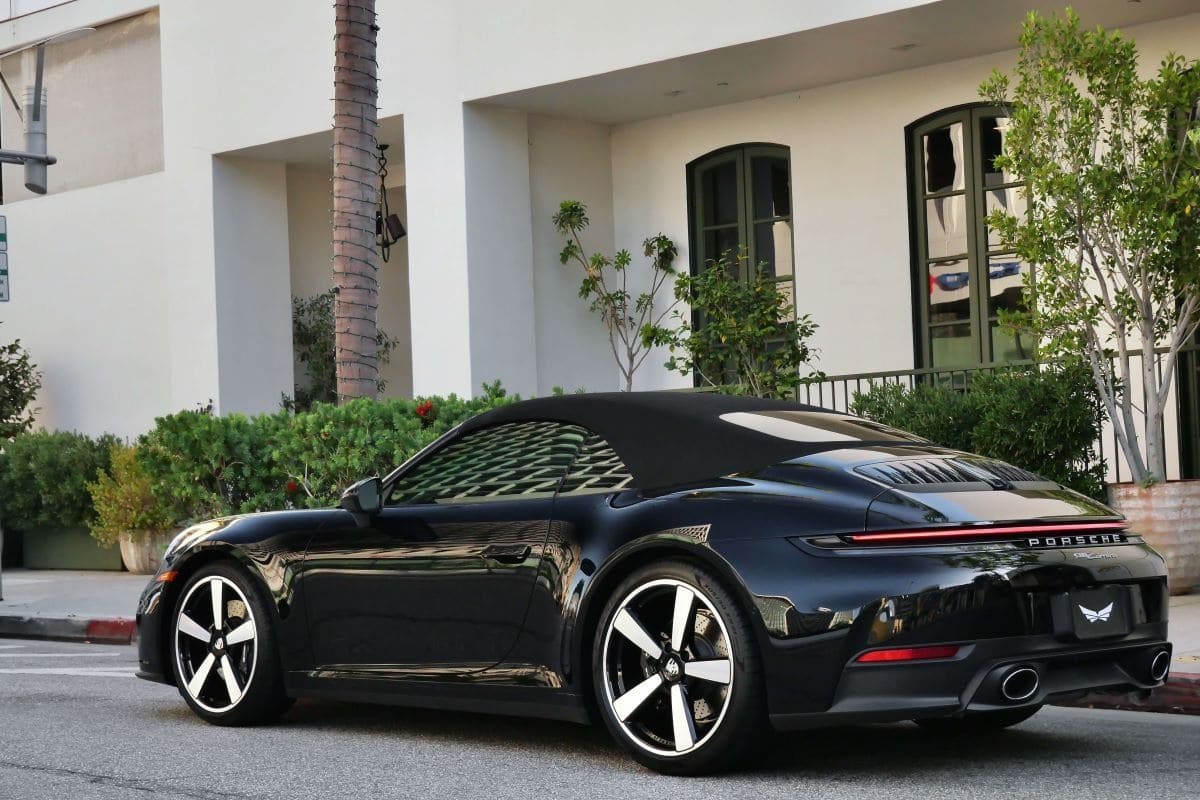
For years, the automotive world lived by a simple rule: more horsepower meant more desire.
Every new launch seemed to arrive with a bigger number attached to it. More power, faster acceleration, higher top speed. What once felt extraordinary quickly became normal. Five hundred horsepower stopped sounding outrageous. Then 700 became common. Then 1,000 entered the conversation. And somewhere along the way, something changed.
The numbers kept getting bigger. Desire did not.
That is because luxury buyers no longer fall in love with cars the way they used to. Or more accurately, they no longer fall in love with them for the same reasons. Power still matters. Performance still matters. But in today’s market, more horsepower alone is rarely enough to make a car truly wanted.
People increasingly want icons, not just outputs.
The Horsepower Race Stopped Feeling Special
There was a time when a 600-horsepower car felt almost absurd.
Now it barely raises an eyebrow.
Luxury SUVs, electric sedans, grand tourers, and performance coupes now deliver power figures that would have sounded impossible not long ago. But once that level of speed becomes common, it stops being a true differentiator. When everything is fast, fast alone becomes less interesting.
Most people know this instinctively. The real difference between 650 horsepower and 850 horsepower rarely changes everyday driving in a meaningful way. On paper, it looks dramatic. In real life, it often feels like a smaller gap than the brochure suggests.
What people remember more is how the car made them feel. How it looked when they walked up to it. How it sounded in a tunnel. How it carried itself outside a hotel, a restaurant, or on a late coastal drive.
That is the shift. The market has moved from chasing numbers to chasing feeling.
Desire Comes From Identity
The most desirable cars today are often not the most powerful.
They are the most recognizable. The most resolved. The most emotionally complete.
People remember cars with identity. A Porsche 911 has identity. A G-Class has identity. A Range Rover has identity. These vehicles do not depend on winning the horsepower war to stay relevant because they already mean something the moment they appear.
That matters more than people admit.
Desire starts long before someone reads a specification sheet. It starts with image. With memory. With cultural meaning. With the feeling that a car belongs to a story bigger than itself. The cars that endure are rarely the ones that only dominate on numbers. They are the ones that become part of the visual language of luxury.
The car people want most is often the one they can recognize in silhouette.
Great Design Outlasts Great Statistics
Horsepower fades quickly. Great design does not.
That is why some vehicles remain desirable for years, even decades, while others lose momentum the moment a faster rival arrives. Design gives a car permanence. It creates attachment. It gives people a reason to care that is deeper than performance figures alone.
This is part of why Porsche continues to hold such unusual power in the luxury market. For someone looking to hire a Porsche near LAX, the attraction is rarely just about raw performance. It starts with the shape, the heritage, the precision, and the fact that the car still feels unmistakably like itself after generations of refinement.
That is what iconic design does. It gives a vehicle continuity.
And in the luxury world, continuity often creates more desire than another 100 horsepower ever could.
Heritage Has Become More Valuable, Not Less
In a crowded market, authenticity matters more than ever.
Luxury buyers increasingly want cars that feel credible, not just capable. They want brands with history, design language, and real emotional weight behind them. Heritage is not nostalgia in this context. It is proof. It is what tells a buyer that a vehicle means something beyond the current product cycle.
That is why iconic luxury vehicles continue to outperform more aggressive, more numbers-driven alternatives in terms of emotional pull. A Porsche carries decades of design and motorsport credibility. A Range Rover carries decades of quiet prestige. A G-Class carries decades of unmistakable presence.
Those things are not easily replaced by performance metrics.
A G63 rental in Los Angeles, for example, is not compelling because the G-Class is trying to win a horsepower arms race. It is compelling because it has become one of the few truly recognizable luxury vehicles left. It feels iconic before it feels fast.
That difference matters.
Experience Now Matters More Than Output
Luxury buyers today are increasingly choosing cars based on the experience they create, not the number they produce.
A memorable drive up the coast. A beautiful arrival at a hotel. A weekend that feels elevated because the car fit the setting perfectly. These experiences stay with people longer than raw performance data ever will.
That is why so many of the most wanted luxury cars are the ones that feel complete rather than merely powerful.
Take a Range Rover. People do not choose it because it is trying hardest to dominate a performance chart. They choose it because it delivers calm, image, comfort, and confidence in a way that feels effortless. That is exactly why travelers continue to rent a Range Rover at LAX when they want a trip to begin with the right tone. The appeal is not just capability. It is atmosphere.
That is true luxury.
Not proving the most, but feeling the most right.
Technology Made Speed Easier to Buy
Another reason horsepower matters less now is because modern technology made speed far more accessible.
Electric vehicles deliver instant torque. Large luxury sedans can now accelerate like old supercars. SUVs can launch with shocking force. In other words, fast is no longer rare.
And once something stops being rare, it stops being enough.
That does not mean performance became irrelevant. It means performance alone no longer defines greatness. Buyers now look for what technology cannot fully flatten: character, craftsmanship, brand identity, design, and emotional connection.
Because if a family SUV can now produce absurd acceleration, the conversation naturally moves elsewhere.
What makes a car special once speed is no longer exclusive?
The answer, increasingly, is everything around the speed.
Emotional Luxury Is Winning
The cars people dream about are rarely reduced to a number.
They are remembered as moments.
The sound of a great engine at night. The feel of a hand-finished interior. The way a car sits at the curb. The confidence of a shape that never needed to chase trends. The atmosphere of driving something that feels iconic rather than merely expensive.
That is what emotional luxury looks like.
It is not anti-performance. It simply understands that performance without identity is rarely enough. A great luxury car must still make sense emotionally. It must feel like more than transportation and more than proof of spending power. It must feel chosen.
That is why the most desirable vehicles now are often the ones that create a sense of belonging, taste, and memory. They say something about the owner without shouting.
The New Signal of Taste
Luxury has become more selective.
The old display of excess is not as effective as it once was. Today, the strongest signal is not always the biggest number or the loudest statement. More often, it is restraint, recognition, and confidence.
That is why iconic vehicles continue to lead desire. They do not need to explain themselves. They already have a place in the culture. They already carry meaning. They already feel right in the environments that matter.
In many ways, the modern luxury buyer is no longer asking, “What is the most powerful car I can get?”
They are asking, “What is the right car?”
That is a much more interesting question, and it usually leads to a much more iconic answer.
The Falcon Perspective
At Falcon Car Rental, this shift is easy to see.
Performance still matters to clients, but it is rarely the only reason a car gets chosen. More often, the decision comes down to the overall feeling the car creates. The design. The reputation. The atmosphere. The way it fits the destination, the trip, and the version of themselves the client wants to step into for the day or weekend.
That is why the most desired cars are often not the most extreme on paper.
They are the ones that already mean something before the engine starts.
They feel iconic. And that is far more powerful than simply feeling fast.
Final Thoughts
Horsepower still matters. It always will.
It remains part of great engineering, part of excitement, and part of the reason people fall in love with performance cars in the first place. But it no longer guarantees desire on its own.
Today’s most wanted cars succeed because they offer something deeper. They combine performance with identity, luxury with heritage, and presence with emotional pull. They are memorable not because they dominate a specification sheet, but because they feel unmistakable.
In an era where extraordinary speed has become easier and easier to buy, the vehicles people desire most are often the ones that already feel iconic.
Because in today’s luxury market, people increasingly want cars with meaning, not just more horsepower.
And that is exactly why more power no longer guarantees more desire.